Hardwood vs Softwood: Choosing the Right Timber for Construction
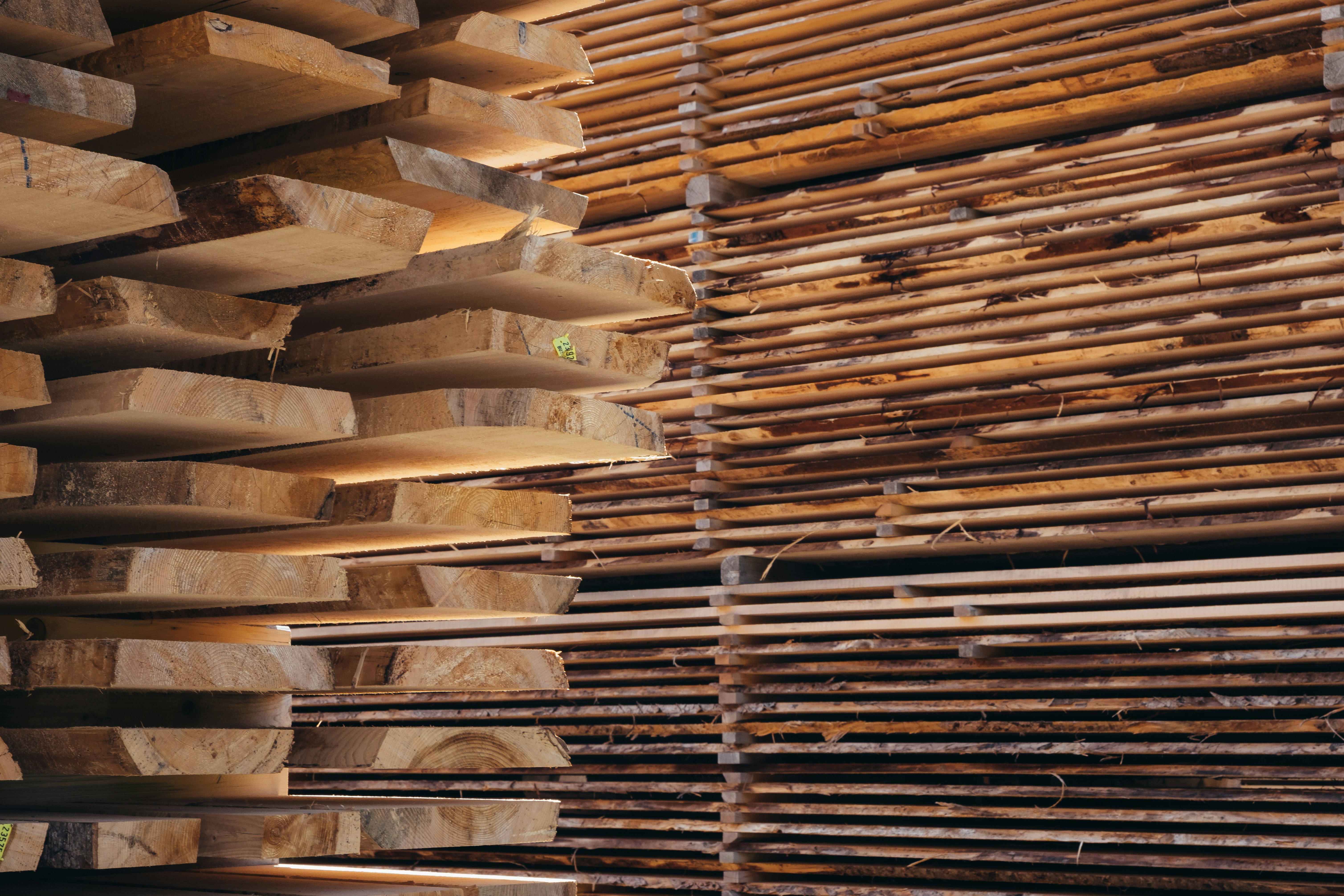
Every construction project begins with a fundamental choice: hardwood or softwood? Despite the names, this classification has nothing to do with how physically hard the wood is — it refers to the type of tree the timber comes from. Understanding the real differences between these two categories will help you choose the right material for framing, flooring, doors, and finishing work.
What Actually Makes a Wood "Hard" or "Soft"?
Hardwoods come from deciduous, broad-leafed trees such as oak, maple, and walnut, which grow slowly and produce dense, complex grain structures. Softwoods come from coniferous, needle-bearing trees such as pine, cedar, and spruce, which grow faster and are generally lighter. Some softwoods, like yew, are actually harder than many hardwoods — the naming convention is botanical, not mechanical.
Hardwood in Construction
Density: High
Growth rate: Slow
Typical cost: Higher
Hardwoods are prized for structural elements that need to bear heavy loads, as well as for flooring, cabinetry, and premium doors where durability and appearance both matter. Their tight grain resists dents and wear, making them ideal for high-traffic surfaces, though the slower growth of hardwood trees keeps supply lower and prices higher.
Softwood in Construction
Density: Low to Medium
Growth rate: Fast
Typical cost: Lower
Softwoods make up the vast majority of construction lumber worldwide, used for framing, roofing, and sheathing. They are lightweight, easy to cut and fasten, and widely available at a lower cost, and species like cedar also offer natural resistance to rot and insects, making them popular for outdoor structures.
Side-by-Side Comparison
| Factor | Hardwood | Softwood |
|---|---|---|
| Density & Durability | High | Low to Medium |
| Cost | Higher | Lower |
| Workability | Harder to cut/fasten | Easy to work with |
| Common Uses | Flooring, furniture, doors | Framing, roofing, sheathing |
| Availability | Slower-growing, less abundant | Fast-growing, widely available |
So, Which Should You Choose?
For structural framing where cost and speed of construction matter most, softwood is almost always the practical choice. For visible, high-wear elements like doors, floors, and furniture where appearance and longevity are the priority, hardwood is worth the investment. Many builds sensibly combine both — softwood for the frame, hardwood for the finish.


Comments
Post a Comment